
Iran News: Iran Economy, Politics, and Global Pressure
Iran News continues to attract global attention because Iran plays a major role in Middle Eastern politics, energy markets, and international diplomacy. Moreover, the country faces serious economic challenges, political pressure, and foreign sanctions. As a result, millions of people follow updates about Iran every day.
The most influential countries in the Muslim world. The nation has a strong historical identity, large natural resources, and an important strategic location. Therefore, any political or economic change inside Iran quickly affects neighboring countries and global markets.
Iran News: Understanding Iran’s Political System
Iran follows an Islamic political system that combines religion and government leadership. Consequently, political decisions often reflect both national and religious priorities.
The Islamic Republic of Iran
After the 1979 Islamic Revolution, Iran officially became an Islamic Republic. Since then, religious leadership has remained central to the country’s political structure.
Moreover, the Supreme Leader holds the highest authority in Iran. The position controls important national matters such as military policy, foreign relations, and major political decisions.
Meanwhile, the President manages economic programs, administration, and daily government operations. However, major strategic decisions still remain connected to religious leadership.
Political Institutions in Iran
Iran’s political structure includes several institutions. These include the Parliament, judiciary, Guardian Council, and Assembly of Experts.
Furthermore, elections take place regularly in Iran. However, political candidates must first receive approval from religious authorities.
As a result, Iran’s political system differs greatly from Western democratic systems.
Iran News: Iran’s Economy and Financial Challenges
The economy remains one of the most discussed topics in Iran News because millions of Iranians continue facing financial pressure.
Dependence on Oil Revenue
Iran possesses some of the largest oil and gas reserves in the world. Therefore, oil exports remain a major source of national income.
However, international sanctions have reduced Iran’s ability to sell oil freely in global markets. Consequently, government revenue has suffered significantly.
Moreover, lower oil exports have increased pressure on public services and economic development projects.
Inflation and Currency Problems
Iran has experienced high inflation for several years. As a result, prices for food, housing, transportation, and medicine have increased sharply.
Additionally, the Iranian currency has weakened against major international currencies. Therefore, imported goods have become more expensive for ordinary citizens.
Because of these economic difficulties, many families struggle with rising living costs.
Unemployment and Youth Challenges
Iran has a large young population. Although many young people complete higher education, finding stable employment remains difficult.
Consequently, unemployment continues affecting social and economic stability.
At the same time, skilled workers sometimes leave the country to seek better opportunities abroad. Therefore, economic reform remains an important national issue.
The Impact of International Sanctions
International sanctions continue shaping Iran’s economy and political strategy.
Why Sanctions Were Imposed
The United States and several Western countries imposed sanctions mainly because of concerns about Iran’s nuclear program and regional activities.
Moreover, sanctions target banking systems, oil exports, shipping industries, and international trade.
As a result, Iran faces restrictions when conducting global business transactions.
Effects on Daily Life
Sanctions have directly affected ordinary Iranian citizens. For example, inflation has increased while purchasing power has declined.
Additionally, businesses often face difficulties importing products and raw materials.
However, despite these pressures, Iran continues developing domestic industries and local production.
Iran’s Response to Sanctions
Iran has attempted to reduce dependence on Western economies. Therefore, the country has strengthened economic partnerships with China, Russia, and neighboring states.
Furthermore, Iran promotes self-sufficiency in manufacturing, agriculture, and technology sectors.
Iran’s Role in Middle East Politics
Iran remains one of the most powerful political actors in the Middle East.
Regional Influence
Iran maintains influence in Iraq, Syria, Lebanon, and Yemen. Moreover, the country supports political groups and governments that oppose foreign intervention.
Because of this influence, Iran plays a central role in regional conflicts and diplomatic negotiations.
Relationship with Syria
Iran strongly supports the Syrian government. During the Syrian conflict, Iran provided military advisors and economic assistance.
Consequently, Iran increased its strategic influence in the region.
Support for Palestinian Causes
Iran strongly supports Palestinian rights and openly criticizes Israeli policies in Gaza and the West Bank.
Therefore, Iran remains an important political voice in discussions about Palestine.
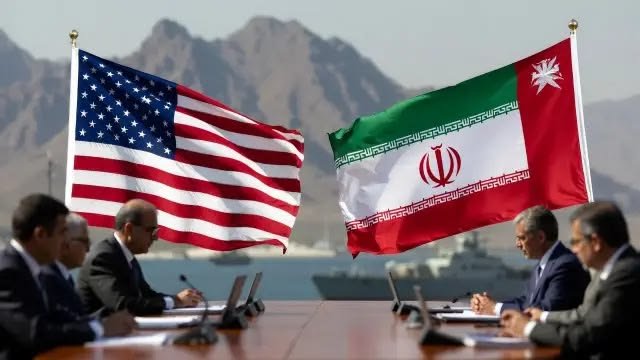
Iran and the United States
Relations between Iran and the United States have remained tense for decades.
Historical Tensions
The relationship changed after the 1979 Islamic Revolution. Since then, both countries have experienced political disagreements, sanctions, and diplomatic conflict.
Consequently, trust between the two nations remains limited.
Nuclear Negotiations
Iran’s nuclear program remains one of the most important international issues.
In 2015, Iran signed a nuclear agreement with world powers. Under the deal, Iran limited nuclear activities in exchange for reduced sanctions.
However, the United States later withdrew from the agreement. As a result, tensions increased again.
Military Pressure and Security Concerns
The United States maintains military forces across the Middle East. Meanwhile, Iran considers foreign military presence a threat to regional independence.
Because of these disagreements, tensions continue affecting regional security.
Iran and Global Trade
Trade remains important for Iran’s economic survival and future growth.
Partnership with China
China remains one of Iran’s largest economic partners. Both countries cooperate in energy projects, infrastructure development, and transportation.
Furthermore, China purchases Iranian oil despite international pressure.
Relations with Russia
Iran and Russia maintain strong political and military relations. Additionally, both countries often cooperate on regional security issues.
As a result, Iran has expanded diplomatic support beyond Western alliances.
Trade with Neighboring Countries
Iran also trades with Iraq, Turkey, Pakistan, and Gulf countries.
Therefore, regional trade remains important for economic stability.
The Importance of Oil in Iran’s Economy
Oil remains central to Iran’s economic structure.
Global Oil Markets
Whenever tensions increase in the Middle East, oil prices often rise globally. Consequently, Iran’s political situation affects international energy markets.
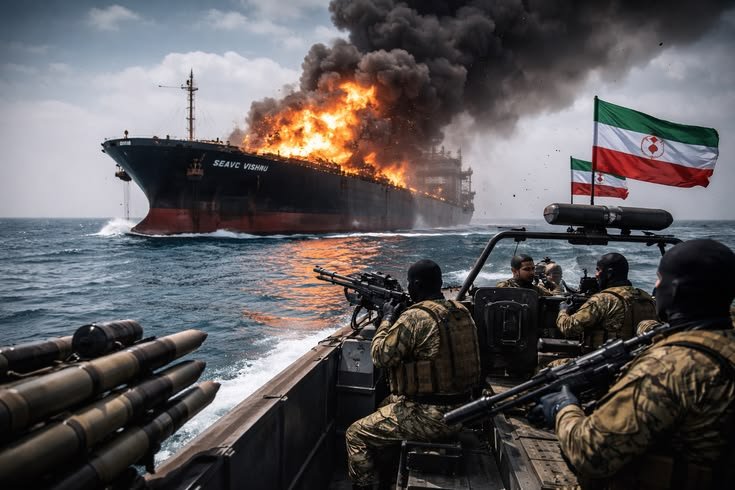
The Strait of Hormuz
Iran controls part of the Strait of Hormuz, one of the world’s most important oil shipping routes.
Because of this location, Iran holds strategic influence over global trade and energy transportation.
Social Issues Inside Iran
Several social challenges also affect the country’s future.
Cost of Living
Many Iranian families face rising costs for food, transportation, and housing.
Therefore, economic reform remains a major public concern.
Education and Skilled Population
Iran has a well-educated population, especially in science, engineering, and medicine.
However, economic limitations sometimes reduce professional opportunities for graduates.
Urban and Rural Differences
Large cities often receive better economic opportunities compared to rural areas.
As a result, regional inequality continues affecting development.
Media and Public Opinion in Iran
Modern technology has changed how people receive political and economic information.
Growth of Social Media
Social media platforms allow citizens to discuss politics, economy, and international events more openly.
Consequently, public awareness continues increasing.
Government Media Policies
Iran maintains regulations over traditional media and online communication.
Therefore, political discussions sometimes become sensitive topics.
Iran’s Military and Defense Strategy
Defense policy remains an important part of national planning.
Missile Development
Iran has invested heavily in missile technology for national defense.
As a result, neighboring countries and Western governments closely monitor military developments.
Naval Power
Iran maintains strong naval forces in the Persian Gulf.
Therefore, the country plays an important role in regional maritime security.
Cyber Security
Iran also focuses on cyber defense and digital security systems.
Consequently, cyber warfare has become part of modern regional competition.
Global Pressure on Iran
International pressure continues affecting Iran’s politics and economy.
Western Political Pressure
Western governments regularly criticize Iran’s nuclear activities and regional influence.
As a result, diplomatic tensions often increase during international negotiations.
Human Rights Discussions
International organizations sometimes raise concerns about human rights issues inside Iran.
Therefore, political debates continue at global forums.
Economic Isolation
Sanctions and banking restrictions have limited Iran’s access to global financial systems.
However, Iran continues seeking alternative economic partnerships.
Iran’s Cultural and Historical Importance
Iran has one of the world’s oldest civilizations.
Persian Heritage
Iranian culture includes literature, architecture, poetry, and scientific contributions that date back thousands of years.
Consequently, national identity remains very strong among Iranian citizens.
Islamic Influence
Islam deeply shapes Iranian society, traditions, and political values.
Therefore, religion continues influencing many areas of daily life.
Future of Iran’s Economy and Politics
The future of Iran depends on several important factors.
Economic Reform Possibilities
Iran may improve economic conditions through trade expansion, industrial growth, and diplomatic negotiations.
Moreover, reducing inflation could improve public living standards.
Diplomatic Opportunities
International diplomacy could reduce sanctions and improve global relations.
Therefore, future negotiations remain very important.
Challenges Ahead
However, political tensions, sanctions, and regional conflicts still create uncertainty.
As a result, economic recovery may require time and stability.
Islamic Perspective on Justice and Economic Fairness
Islam encourages fairness, honesty, and social responsibility.
Economic Justice in Islam
Islam teaches leaders to protect citizens from poverty and injustice.
Therefore, economic fairness remains an important Islamic principle.
Peace and Cooperation
Islam also encourages peaceful relations and cooperation between nations.
Consequently, many Islamic scholars support diplomatic solutions over conflict.
Why the World Follows Iran Closely
Iran remains globally important for several reasons.
Strategic Location
Iran connects Central Asia, the Middle East, and the Persian Gulf.
Therefore, the country holds major geopolitical value.
Energy Resources
Iran’s oil and gas reserves influence global energy markets.
As a result, international investors and governments closely monitor developments.
Regional Security
Political tension involving Iran can affect global security and international trade.
Consequently, the world continues following every major development carefully.
Conclusion
Iran News remains highly important because Iran continues influencing Middle Eastern politics, energy markets, and international diplomacy. Moreover, the country faces major economic challenges caused by sanctions, inflation, and political pressure.
At the same time, Iran maintains strong regional influence through political partnerships, military strength, and strategic geography. Additionally, the nation continues developing economic relationships with China, Russia, and neighboring countries.
Although international pressure remains strong, Iran continues pursuing economic survival and political independence. However, inflation, unemployment, and trade restrictions still affect ordinary citizens significantly.