
Travel News: Airport Technology Transforming Passenger
Airports are evolving rapidly due to technology. Travelers now expect faster, smoother, and more efficient experiences. Travel news highlights innovations improving check-in, security, and boarding processes. These advancements ensure comfort, safety, and convenience for all travelers while reducing stress and waiting times.
Technological upgrades benefit both airlines and passengers. From AI-powered kiosks to smart baggage handling, modern airports enhance service quality. Travelers also access better information on flights, delays, and services. Following travel updates ensures passengers remain informed about these developments.
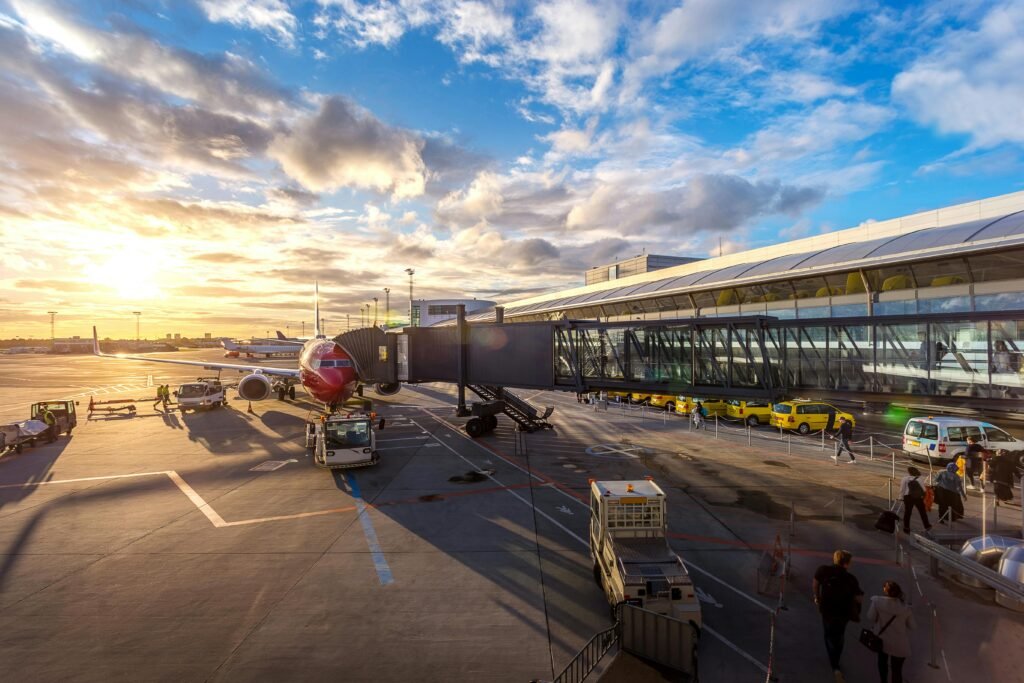
Smart Check-In Systems
Smart check-in systems streamline airport entry. Automated kiosks and mobile apps allow quick self-check-in.
These systems reduce long queues, provide instant boarding passes, and minimize human errors. Travelers save time, and staff focus on assisting complex queries. Smart check-ins also integrate with luggage tracking for smooth baggage handling.
Biometric Technology in Airports
Biometric technology is transforming world travel. Facial recognition and fingerprint scanning speed up identification.
Benefits of Biometric Screening
Biometric screening ensures secure and fast passenger processing. It reduces lines and improves accuracy. Airports deploy these systems at security checkpoints, boarding gates, and customs.
Passengers enjoy a seamless experience, while authorities maintain safety standards. Travelers also spend less time navigating airport procedures, making trips more enjoyable and efficient.
AI-Powered Customer Support
Artificial intelligence enhances airport customer service. Chatbots and virtual assistants provide instant help.
AI in Travel Updates
AI-driven systems deliver real-time travel updates. Flight information, delays, and gate changes appear instantly on apps or kiosks.
Passengers can plan efficiently, reducing stress and confusion. AI assistants also answer frequently asked questions, provide directions, and recommend services, improving overall airport satisfaction.
Robotic Assistance for Travelers
Robots are now common in airports. They guide travelers, carry luggage, and even deliver food.
Advantages of Robotic Help
Robotic assistance improves convenience and reduces human workload. Travelers find directions quickly, retrieve luggage easily, and access amenities efficiently. Robots also enhance safety by maintaining social distancing and sanitization measures.
Mobile Apps Transforming Travel Experience
Mobile apps are central to modern airport operations. Passengers can book, check in, track flights, and access services through smartphones.
Features of Airport Apps
Airport apps offer gate notifications, luggage tracking, lounge reservations, and food orders. Travelers save time and effort. Apps also provide personalized travel safety tips, ensuring a secure journey.
Apps frequently update with travel news, offering insights into airport facilities and services globally.
Automated Baggage Handling Systems
Automated baggage systems streamline luggage transport. Smart tags and conveyors improve efficiency.
Tracking and Security
Passengers can track bags in real-time. Automated systems reduce lost luggage risks and delays. Travelers experience smoother boarding and arrivals. Airports benefit from fewer errors and faster baggage processing.
Contactless Security Screening
Contactless security improves safety and speed. Travelers scan boarding passes, undergo biometric checks, and pass through scanners without touching devices.
Enhanced Safety and Comfort
Contactless screening reduces waiting times and minimizes health risks. Travelers enjoy smoother entry. Airports meet modern hygiene and safety standards. These systems also reduce human intervention and errors.
Smart Lounges and Waiting Areas
Modern lounges use technology to improve comfort. Automated seating, climate control, and digital services enhance the waiting experience.
Lounge Services
Smart lounges offer entertainment, charging stations, and food ordering apps. Travelers can relax efficiently. Lounges also integrate flight updates and boarding notifications, improving the overall passenger experience.
Virtual Reality Experiences
Virtual reality in airports entertains passengers. Travelers explore destinations or play games while waiting.
VR for Engagement
VR allows passengers to preview travel destinations and plan trips interactively. It also offers relaxation and distraction, reducing stress during long layovers. Airports enhance their image while passengers enjoy immersive experiences.

Augmented Reality Navigation
Augmented reality (AR) guides travelers through terminals. Passengers use apps or AR glasses to locate gates and services.
AR Benefits
AR simplifies navigation, especially in large airports. Travelers follow digital paths to restaurants, lounges, and boarding gates. It reduces confusion and missed flights. AR also integrates world travel guides, enhancing the overall experience.
Digital Twin Airports
Digital twins replicate airport operations virtually. Airports monitor systems in real-time and optimize efficiency.
Improving Passenger Flow
Digital twins analyze crowd patterns, luggage handling, and service usage. Airports adjust operations dynamically. Travelers benefit from shorter queues and better resource management. Airlines can also plan boarding efficiently, minimizing delays.
Wearable Technology for Travelers
Wearables like smartwatches and devices integrate with airport apps. Travelers receive flight notifications, baggage alerts, and boarding information.
Smart Devices Impact
Wearables reduce dependency on phones. Travelers monitor schedules, find directions, and access services conveniently. Integrating technology with wearables improves overall airport satisfaction.
Self-Service Immigration
Self-service immigration kiosks enhance efficiency. Passengers scan documents and complete entry procedures independently.
Advantages for Travelers
Self-service immigration reduces processing time. Travelers avoid long queues and simplify border formalities. It also allows airport staff to focus on complex cases, improving overall service quality.
Automated Parking Solutions
Smart parking systems direct vehicles efficiently. Travelers reserve spots, pay digitally, and locate cars easily.
Streamlined Parking Experience
Automated parking reduces search time, saves fuel, and lowers stress. Travelers enjoy convenience, while airports improve traffic flow and optimize space usage.
Predictive Analytics in Airports
Predictive analytics helps forecast passenger demand, flight delays, and congestion.
Benefits of Analytics
Airports can prepare for peak periods efficiently. Travelers face fewer delays and smoother boarding. Airlines optimize schedules, and airports maintain safety standards. Predictive analytics ensures cost-effective and safe operations.
Internet of Things (IoT) Integration
IoT devices monitor airport infrastructure. Sensors track luggage, energy, and passenger flow.
Enhancing Efficiency
IoT improves airport safety, reduces energy consumption, and ensures smooth operations. Travelers enjoy better services, fewer delays, and enhanced security measures, making trips comfortable and efficient.
Cashless Payment Systems
Cashless transactions improve convenience. Travelers pay for food, parking, and shops using mobile wallets or cards.
Fast and Secure Transactions
Cashless systems reduce queues and risk of theft. Travelers enjoy quick payments. Airports benefit from higher efficiency, better tracking, and improved revenue management.
Green Technology Adoption
Airports implement eco-friendly technology. Solar panels, electric vehicles, and energy-efficient systems reduce environmental impact.
Benefits for Travelers
Eco-friendly airports provide sustainable services. Travelers enjoy cleaner, quieter environments. Supporting green initiatives contributes to responsible global travel, aligning with modern travel expectations.
Real-Time Flight Information Displays
Digital screens provide instant updates on departures, arrivals, and delays.
Improving Awareness
Passengers receive accurate, timely travel updates. Travelers can plan meals, shopping, or rest accordingly. Airports reduce confusion and improve overall satisfaction.
Integration of AI in Flight Scheduling
AI predicts delays and optimizes flight schedules. Airlines and airports work together to reduce disruptions.
Passenger Advantages
Travelers experience fewer delays, better gate management, and efficient transfers. AI ensures smoother operations, enhancing the overall travel experience.
Interactive Airport Kiosks
Kiosks provide information, ticketing, and services without staff intervention.
User-Friendly Services
Travelers use kiosks to print boarding passes, locate gates, and access travel safety tips. Kiosks reduce crowding, streamline processes, and enhance airport convenience.
FAQs
Q1: How is airport technology improving passenger experience?
A1: Innovations like biometric screening, AI support, and smart apps simplify check-in, security, and boarding.
Q2: Are airports using tech for safety?
A2: Yes. Contactless screening, predictive analytics, and IoT devices enhance security and efficiency.
Q3: How do apps help travelers?
A3: Airport apps provide travel updates, flight info, baggage tracking, lounge reservations, and navigation tips.
Q4: Can technology reduce travel stress?
A4: Absolutely. Smart check-ins, AI assistants, AR navigation, and VR entertainment make travel smoother.
Q5: Are eco-friendly airports growing?
A5: Yes. Green technologies improve sustainability while supporting global travel with reduced environmental impact.
Conclusion
Airport technology is revolutionizing passenger experiences in 2026. Innovations like biometric systems, AI assistants, and smart apps make travel faster, safer, and more enjoyable. Automated baggage, VR entertainment, AR navigation, and predictive analytics reduce stress and improve efficiency. Travelers benefit from eco-friendly initiatives, smart lounges, and cashless systems. Staying updated with travel news ensures informed planning. By embracing technology, airports enhance convenience, safety, and satisfaction for all world travel passengers, shaping the future of modern aviation.