
Travel in 2026 looks very different from what it was just a few years ago. Travelers are moving away from rushed vacations, crowded landmarks, and expensive tourist traps. They are now prioritizing authentic experiences, smarter financial planning, and destinations that offer cultural depth. Way Fare Weekly explores these evolving trends and helps travelers make better decisions that lead to more meaningful, affordable, and unforgettable journeys around the world.

The Evolution of Modern Travel Habits
Travel habits have changed because travelers themselves have changed. People are now more informed, more cautious with spending, and more focused on creating memorable experiences instead of simply collecting passport stamps. The modern traveler wants flexibility, personalization, and authenticity.
One of the biggest shifts is the move away from rushed itineraries. Many travelers previously tried to visit multiple cities or countries in a short period, often returning home exhausted. In 2026, travelers are choosing slower journeys that allow them to spend more time understanding local culture and daily life. Way Fare Weekly has noticed that travelers who slow down often enjoy richer and less stressful experiences.
Digital research has also transformed travel planning. Travelers now spend weeks researching destinations, accommodation options, and cultural experiences before making final decisions. This has made travel planning far more strategic than it was in the past.
Social media continues to shape tourism trends, but travelers are now looking beyond famous landmarks. They are discovering hidden beaches, rural escapes, and cultural villages that offer unique experiences without overwhelming crowds.
Hidden Destinations Are Becoming the Future of Tourism
Popular destinations continue attracting millions of tourists, but overcrowding has made many of these locations less enjoyable. High prices, long lines, and declining authenticity are pushing travelers toward lesser-known destinations.
Smaller cities and rural destinations are becoming attractive alternatives because they provide peace, affordability, and stronger cultural connections. Travelers often discover more genuine experiences in places that are not heavily commercialized.
Southeast Asia’s Hidden Travel Gems
Southeast Asia remains one of the world’s most visited regions, but travelers are increasingly moving beyond major tourist cities. Smaller islands, mountain villages, and countryside retreats are gaining attention for their natural beauty and affordability. Way Fare Weekly often recommends these destinations because they provide incredible value.
Eastern Europe’s Rising Popularity
Eastern Europe continues attracting travelers looking for historic charm without Western Europe’s high costs. Visitors can explore architecture, food, and local traditions while spending significantly less.
South America’s Adventure Boom
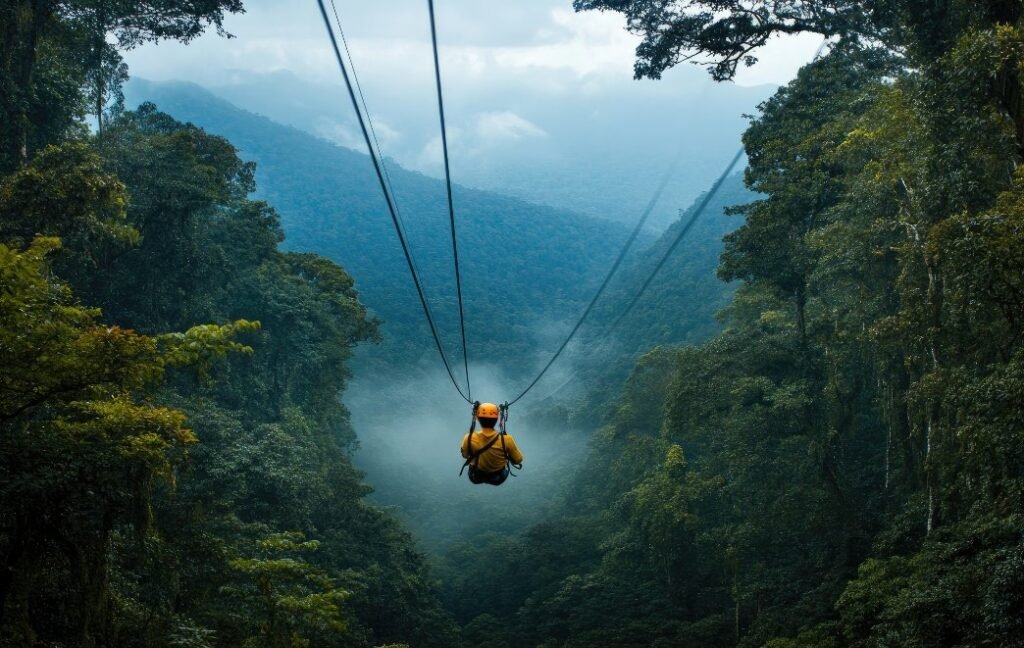
South America is becoming increasingly popular for travelers seeking adventure. Mountains, forests, beaches, and cultural diversity make the region one of the most exciting destinations for modern explorers.
Smart Budget Travel in 2026
Travel costs continue rising globally, making smart budgeting more important than ever. Modern travelers are finding creative ways to reduce costs without sacrificing quality experiences.
Flexible flight booking remains one of the best ways to save money. Midweek departures and off-season travel often result in lower airfare prices. Way Fare Weekly encourages travelers to compare prices over time rather than booking immediately.
Accommodation trends are also changing. Travelers are moving toward boutique hotels, local guesthouses, and vacation rentals that offer more personality and lower prices than traditional hotel chains.
Transportation Savings
Transportation can consume a large portion of travel budgets. Public transportation systems have improved in many countries, making them reliable options for tourists. Shared transportation services and train passes are also helping travelers save money.
Food Budget Planning
Food spending often becomes an overlooked expense. Tourist-heavy restaurants usually charge higher prices, while local neighborhoods offer better meals at lower costs. Way Fare Weekly encourages travelers to explore authentic local dining experiences.
Technology Is Transforming Travel
Technology now plays a major role in travel planning and experiences. Travelers can manage nearly every part of a trip using digital tools.
Artificial intelligence is making itinerary planning easier by providing personalized recommendations based on travel style and budget.
Translation applications are helping travelers communicate more easily in foreign countries.
Airports are improving efficiency through digital check-ins and automation systems.
Digital Security Challenges
Technology also creates risks. Public Wi-Fi and online booking scams continue affecting travelers worldwide.
Way Fare Weekly recommends using secure platforms and protecting personal information while traveling.
Sustainable Tourism Is Growing
Sustainability has become a major focus in modern tourism. Travelers are increasingly aware of their environmental footprint.
Eco-friendly accommodations are becoming more popular because they reduce waste and support sustainability efforts.
Airlines are investing in technologies designed to reduce environmental impact.
Supporting local businesses ensures tourism directly benefits communities.
Ethical Wildlife Tourism
Travelers are increasingly avoiding attractions that exploit animals. Conservation-based tourism is becoming a preferred alternative.
Reducing Environmental Damage
Using reusable products and reducing plastic waste helps travelers minimize their environmental impact. Way Fare Weekly strongly supports responsible travel choices.
Luxury Travel Is Evolving
Luxury travel is becoming more personalized and experience-focused.
Travelers now seek private villas, wellness retreats, and customized experiences instead of traditional luxury packages.
Wellness tourism continues expanding as people prioritize mental and physical health.
Remote luxury destinations are attracting travelers who value privacy and exclusivity.
Way Fare Weekly believes luxury travel is now more about personal fulfillment than expensive displays.
Travel Safety in a Changing World
Safety remains one of the most important aspects of travel planning.
Travelers must research local regulations and health requirements before departure.
Travel insurance is becoming increasingly comprehensive.
Digital copies of important documents provide extra security.
Why Preparation Matters
Prepared travelers avoid unnecessary disruptions and enjoy smoother journeys.
Research helps travelers understand cultural expectations and local laws.
Way Fare Weekly advises travelers to prioritize preparation before every trip.
The Future of Travel
The future of travel will become even more personalized and experience-driven.
Remote work tourism will continue growing.
Hidden destinations will attract more travelers.
Technology will continue improving convenience.
Sustainability will become even more important.
Way Fare Weekly believes travelers who adapt to these trends will enjoy better travel experiences.
Final Thoughts
Travel in 2026 offers more opportunities than ever before for travelers who plan smartly. From hidden destinations and budgeting strategies to sustainability and technology, the travel industry continues evolving rapidly.
Way Fare Weekly remains committed to helping travelers make informed decisions and create unforgettable journeys filled with authentic experiences.