
Bold Iran News as Iran-Israel Tensions Increase
In recent years, tensions between Iran and Israel have attracted significant international attention. Furthermore, military concerns, security calculations, diplomatic exchanges, and regional alliances have all contributed to a more complex political environment. Moreover, political developments between Iran and Israel continue to shape regional security, diplomatic relations, and global discussions. Therefore, many readers follow Iran News to stay informed about the latest events, policy decisions, and geopolitical trends.
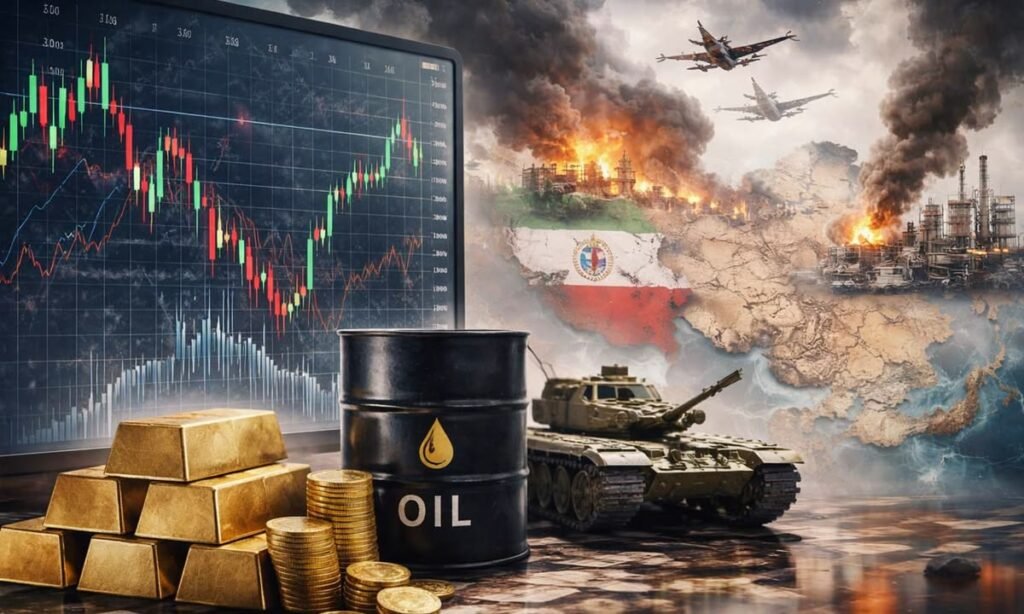
Understanding the Importance of Iran-Israel Relations
Relations between Iran and Israel have become one of the most significant issues in Middle Eastern politics. Therefore, understanding their relationship is essential for anyone following regional affairs.
Although both countries have different political systems, security priorities, and strategic objectives, their interactions influence many aspects of regional security. Moreover, developments involving these nations often receive widespread international attention.
Because of this importance, Iran News frequently includes updates related to diplomatic statements, security developments, military activities, and regional policy changes.
Iran News: Historical Background of Iran-Israel Tensions
Relations Before the Islamic Revolution
Before the 1979 Islamic Revolution, Iran and Israel maintained diplomatic ties. Furthermore, cooperation existed in several areas, including economic and strategic matters.
However, political changes in Iran transformed the relationship. Consequently, diplomatic relations ended, and both countries gradually moved toward opposing positions on many regional issues.
Post-Revolution Developments
After the revolution, Iran adopted policies that differed significantly from previous governments. Meanwhile, Israel adjusted its regional strategies in response to changing political realities.
As a result, political disagreements increased over time. Furthermore, security concerns and regional competition strengthened the divide between the two countries.
Therefore, many modern discussions in Iran News include references to historical events that continue to influence present-day relations.
Why Iran-Israel Tensions Continue to Increase
Several factors contribute to ongoing tensions between Iran and Israel. While specific events often draw media attention, broader strategic concerns also play a significant role.
Security Concerns
Security remains a central issue for both countries. Therefore, each side closely monitors developments that may affect national interests.
Moreover, military planning, intelligence activities, and defense policies often influence public statements and strategic decisions.
As a result, security concerns remain one of the primary drivers of regional tensions.
Regional Influence
Both Iran and Israel seek to protect their interests and maintain influence within the region.
Furthermore, each country develops partnerships and strategic relationships that support its objectives. Consequently, regional competition sometimes creates additional friction.
Because of this dynamic, Iran News often highlights developments related to alliances, diplomacy, and regional engagement.
Strategic Calculations
Governments frequently assess potential risks and opportunities when shaping foreign policy.
Therefore, decisions made by either country can influence regional reactions, diplomatic responses, and security planning.
As a result, strategic calculations remain a major factor in ongoing tensions.
Recent Developments Drawing International Attention
Increased Diplomatic Activity
As tensions have grown, diplomatic engagement has also increased. Consequently, regional and international leaders continue discussions aimed at reducing risks and preventing escalation.
Moreover, diplomatic channels remain important even during periods of disagreement.
Therefore, many observers view continued communication as an essential component of stability.
Military Preparedness
Governments often increase readiness during periods of heightened tension. As a result, military exercises, defensive preparations, and security measures sometimes receive significant media coverage.
Furthermore, such actions may be intended to demonstrate deterrence rather than signal immediate conflict.
Nevertheless, these developments often attract global attention and become key topics in Iran News coverage.
International Reactions
Many countries encourage restraint and dialogue.
Moreover, international organizations frequently emphasize the importance of peaceful solutions and conflict prevention.
Consequently, global leaders continue calling for diplomatic efforts that support regional stability.
The Regional Impact of Rising Tensions
The effects of Iran-Israel tensions extend beyond the two countries involved.
Influence on Neighboring States
Neighboring countries often monitor developments carefully because regional instability can create economic and security challenges.
Furthermore, governments may adjust policies in response to changing conditions.
As a result, regional diplomacy frequently evolves alongside major political developments.
Economic Effects
Political uncertainty can influence financial markets and investor confidence.
Moreover, concerns about stability sometimes affect economic planning and business decisions.
Therefore, economic analysts regularly examine developments involving Iran and Israel.
Impact on Energy Markets
The Middle East plays a critical role in global energy production.
Consequently, any increase in regional tension may influence market expectations.
Furthermore, energy security remains a major concern for both producing and consuming nations.
Because of this connection, Iran News often attracts attention from economic observers worldwide.
The Role of Diplomacy During Periods of Tension
Importance of Communication
Diplomatic communication helps reduce misunderstandings and prevent unnecessary escalation.
Moreover, direct and indirect discussions allow governments to clarify positions and address concerns.
Therefore, diplomacy remains one of the most important tools for managing regional challenges.
International Mediation Efforts
International actors sometimes encourage dialogue between opposing sides.
Furthermore, mediation can create opportunities for confidence-building and constructive engagement.
As a result, diplomatic initiatives often play a significant role during periods of uncertainty.
Confidence-Building Measures
Confidence-building measures may include:
- Diplomatic consultations
- Security discussions
- Regional meetings
- Economic cooperation initiatives
- Communication channels
Consequently, these efforts can support greater stability over time.
Security Challenges Facing the Region
Military Risks
Periods of increased tension naturally raise concerns about security.
Moreover, governments often prepare for multiple scenarios when evaluating potential risks.
As a result, military developments remain closely watched by analysts and policymakers.
Cybersecurity Concerns
Modern conflicts are no longer limited to traditional military activities.
Furthermore, cybersecurity has become an important aspect of national defense strategies.
Therefore, digital security remains an important consideration in regional affairs.
Strategic Deterrence
Many governments focus on deterrence as a means of preventing conflict.
Consequently, defense policies often emphasize readiness, capability, and strategic communication.
This approach remains an important component of regional security planning.
How Global Powers View the Situation
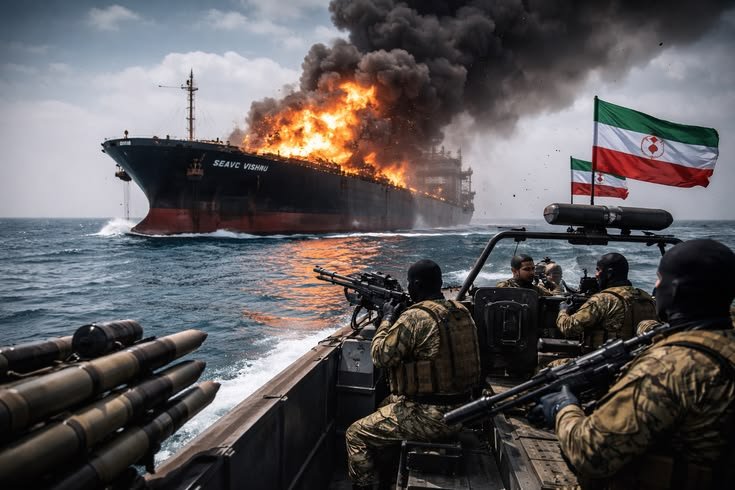
Interest in Regional Stability
Major global powers generally support efforts aimed at maintaining stability.
Moreover, they recognize that regional disruptions can affect international trade, energy markets, and diplomatic relationships.
Therefore, many governments encourage peaceful solutions.
Diplomatic Engagement
Global powers frequently engage with regional leaders through diplomatic channels.
Furthermore, ongoing communication helps coordinate responses and promote dialogue.
As a result, international diplomacy remains a key factor in managing tensions.
Economic Considerations
Economic interests also influence international perspectives.
Because the Middle East plays a major role in global commerce, stability remains an important objective for many nations.
Consequently, developments reported in Iranian News often attract worldwide attention.
The Role of Media and Public Awareness
Importance of Reliable Reporting
Accurate information is essential during periods of political tension.
Moreover, reliable reporting helps readers understand events within their broader context.
Therefore, audiences should seek information from credible and trustworthy sources.
Challenges in Modern Media
Information spreads quickly in today’s digital environment.
However, rapid reporting can sometimes lead to confusion or incomplete understanding.
As a result, careful evaluation of information remains important.
Public Interest in Regional Affairs
People around the world follow Middle Eastern developments because of their broader implications.
Furthermore, regional events often influence economic, political, and security discussions far beyond the region itself.
Potential Future Scenarios
Continued Diplomatic Engagement
One possible outcome involves increased diplomatic activity and sustained dialogue.
Moreover, governments may continue exploring opportunities for cooperation while managing disagreements.
Consequently, diplomatic efforts could help reduce tensions over time.
Ongoing Strategic Competition
Another possibility involves continued competition without major escalation.
In this scenario, political disagreements would remain, yet direct confrontation would be avoided.
Therefore, diplomacy and deterrence would continue shaping regional dynamics.
Increased Regional Cooperation
Some analysts believe that economic and security cooperation could create new opportunities for stability.
Furthermore, shared interests may encourage practical collaboration in specific areas.
As a result, gradual improvements in regional relationships could emerge.
The Importance of Regional Stability
Economic Development
Stable conditions support investment, innovation, and long-term growth.
Moreover, businesses and investors generally prefer predictable environments.
Therefore, stability contributes to economic progress.
Social Well-Being
Peaceful conditions allow communities to focus on education, healthcare, and development.
Furthermore, stability creates opportunities for future generations.
Consequently, many regional initiatives emphasize long-term peace and cooperation.
International Cooperation
Regional stability also supports stronger international partnerships.
Therefore, governments often work together to address shared challenges and promote common goals.
Why the World Continues to Follow These Developments
The relationship between Iran and Israel remains one of the most important topics in international affairs.
Moreover, developments involving these countries influence discussions about security, diplomacy, economics, and energy.
As a result, journalists, researchers, policymakers, and citizens continue monitoring events closely.
Furthermore, the broader implications extend beyond the Middle East, affecting global markets and international relations.
Because of these factors, Iran News remains a significant source of information for audiences around the world.
Opportunities for Peace and Stability
Despite ongoing challenges, opportunities for progress continue to exist.
Strengthening Dialogue
Communication remains essential for addressing disagreements.
Moreover, dialogue can create pathways toward mutual understanding and practical solutions.
Expanding Cooperation
Countries often discover shared interests in areas such as trade, technology, and economic development.
Therefore, cooperation may contribute to stronger regional relationships.
Supporting Long-Term Solutions
Sustainable peace requires patience, commitment, and continued engagement.
Furthermore, long-term solutions often emerge through consistent diplomatic efforts rather than immediate breakthroughs.
As a result, many observers remain focused on opportunities for constructive progress.
Conclusion
The increase in Iran-Israel tensions continues to shape political discussions across the Middle East and beyond. Moreover, security concerns, regional competition, diplomatic efforts, and strategic interests all contribute to a complex and evolving situation.
While challenges remain significant, diplomacy continues to provide opportunities for reducing risks and promoting stability. Furthermore, regional leaders and international partners recognize the importance of avoiding escalation and encouraging constructive engagement.