
Iran News: Iran Military Power and Regional Impact
Iran remains one of the most influential countries in the Middle East because of its strong military system, strategic location, and regional alliances. Therefore, many political experts, security analysts, and global governments closely follow Iran News to understand changes in Iran’s defense strategy and regional influence.
Over the years, Iran has developed advanced military capabilities despite international sanctions and political pressure. At the same time, the country expanded its influence across several parts of the Middle East through political partnerships, defense cooperation, and regional networks. Consequently, Iran now plays a major role in shaping security discussions throughout the region.
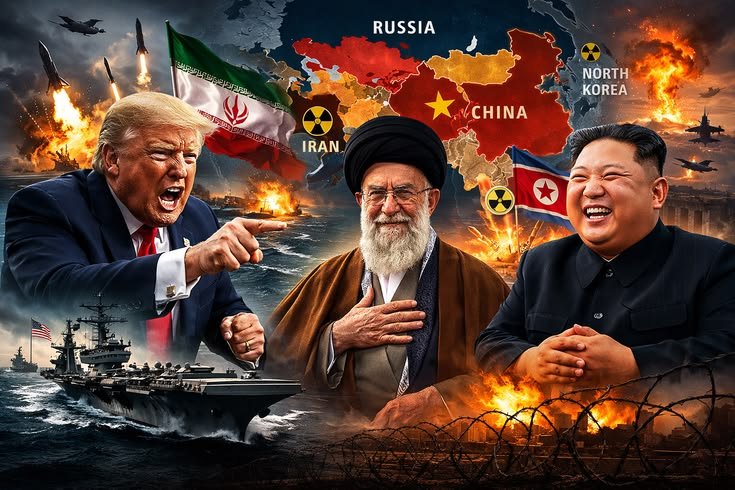
Iran News: Understanding Iran’s Military System
Iran has built a large and complex military structure that combines conventional forces with regional defense strategies. Therefore, the country maintains strong military readiness across land, air, sea, and cyber sectors.
Main Branches of Iran’s Military
Iran’s military system mainly includes two major organizations:
- The regular armed forces
- The Islamic Revolutionary Guard Corps
Both organizations work together to protect national security and strategic interests.
Regular Armed Forces
Iran News, The regular military focuses on traditional defense responsibilities. These include border protection, air defense, naval security, and territorial defense.
Islamic Revolutionary Guard Corps
The Revolutionary Guard plays a major role in Iran’s strategic military operations and regional activities. Moreover, it controls several advanced missile and drone programs.
Because of its influence, international discussions about Middle East security often mention this organization.
Iran News: Historical Development of Iran’s Military Power
Iran News: Military Changes After the Islamic Revolution
Iran’s military system changed significantly after the 1979 Islamic Revolution. Before that period, Iran relied heavily on Western military support and imported weapons.
However, political changes and sanctions later forced Iran to develop domestic defense industries. Consequently, the country invested heavily in self-reliance and military production.
Iran-Iraq War Impact
The Iran-Iraq War deeply shaped Iran’s military thinking. During the conflict, Iran experienced major battlefield challenges and international isolation.
As a result, Iranian leaders focused on developing stronger defense systems and independent military industries.
Growth of the Domestic Defense Industry
Over time, Iran News expanded local production of missiles, drones, radar systems, and military equipment. Therefore, the country reduced its dependence on foreign suppliers.
Iran News: Missile Power and Defense Strategy
Importance of Missile Programs
Missiles remain one of the most important parts of Iran’s military strategy. Therefore, many global security discussions connected to Iran News focus on missile development.
Iran believes missile capabilities are necessary for national defense because of regional threats and foreign military pressure.
Types of Missiles
Iran developed several missile categories, including:
- Short-range missiles
- Medium-range missiles
- Precision-guided missiles
- Anti-ship missiles
Consequently, the country can project military influence across different areas of the Middle East.
Strategic Deterrence
Iran often describes its missile systems as defensive tools designed to prevent attacks from foreign enemies.
Therefore, missile programs remain central to Iran’s national security doctrine.
Iran News: Iran Drone Technology and Modern Warfare
Iran News: Growth of Drone Capabilities
Iran significantly expanded drone technology during recent years. Consequently, unmanned aerial vehicles became an important part of military planning.
Iranian drones support surveillance, reconnaissance, and strategic operations.
Iran News: Growth of Drone Capabilities
Regional and Global Attention
Several countries monitor Iran’s drone programs carefully because drones now play major roles in modern warfare.
Moreover, drone technology offers lower operational costs compared to traditional military aircraft.
Domestic Innovation
Because sanctions limited foreign military imports, Iran increased investment in local engineering and technological research.
As a result, domestic drone production improved rapidly.
Iran News: Growth of Drone Capabilities
Naval Power and Persian Gulf Security
The strategic importance of the Persian Gulf
location near the Persian Gulf gives the country major strategic influence. Therefore, naval operations remain highly important in national defense planning.
Strait of Hormuz
The Strait of Hormuz is one of the world’s most critical shipping routes. Large amounts of global oil pass through this narrow waterway every day.
Consequently, Iran’s naval presence in this area attracts significant international attention.
Naval Capabilities
Iran’s naval forces include:
- Fast attack boats
- Submarines
- Coastal defense systems
- Naval missiles
- Patrol vessels
Because of these assets, Iran News can influence maritime security conditions in the Gulf region.
Asymmetric Warfare Strategy
Iran often uses asymmetric defense strategies instead of relying only on traditional large-scale military systems.
Therefore, mobility, speed, and tactical flexibility remain important parts of naval planning.
Iran News: Iran Air Defense Systems
Importance of Air Defense
Iran invested heavily in air defense systems to protect critical infrastructure and military sites.
Radar and Missile Defense
Iran developed domestic radar systems and surface-to-air missiles to strengthen national security.
Consequently, air defense became a major priority within Iran’s military modernization strategy.
Domestic Production Efforts
International sanctions encouraged Iran to improve local military manufacturing. Therefore, defense engineers focused on creating independent technologies.
Iran News: Cyber Warfare and Digital Security
Modern Cyber Capabilities
Cyber warfare became increasingly important in global security discussions. Therefore, Iran also expanded cyber defense and digital security operations.
Cyber Defense Strategy
Iran seeks to protect national infrastructure from cyberattacks targeting communication systems, energy facilities, and government networks.
Information Security
Modern conflicts often involve digital intelligence, cyber operations, and online influence campaigns. Consequently, cybersecurity remains a growing priority.
Iran News: Regional Influence and Strategic Alliances
Iran’s Role in the Middle East
Iran maintains a strong influence across several Middle Eastern countries through political cooperation and strategic partnerships.
Therefore, regional developments connected to Latest Islamic News often affect broader Middle East security discussions.
Iraq Relations
Iran shares strong political and economic ties with Iraq. Additionally, security cooperation between the two countries remains important.
Syria Partnership
Iran supported the Syrian government during the years of conflict. Consequently, the partnership strengthened regional strategic ties.
Lebanon and Hezbollah
Iran also supports Hezbollah in Lebanon. Iran describes this relationship as part of a regional resistance strategy.
However, some Western countries and Israel strongly criticize this alliance.
Iran News: Iran and Israel Tensions
Long-Term Rivalry
Iran and Israel remain major regional rivals because of political, ideological, and security disagreements.
Security Concerns
Israel considers Iran’s missile programs and regional alliances major security threats. Meanwhile, Iran criticizes Israeli military policies in the region.
Consequently, tensions frequently rise between both sides.
Military Incidents
Over recent years, regional conflicts, cyberattacks, and military operations have further increased tensions.
Therefore, analysts continue monitoring the situation closely.
Iran and United States Relations
Historical Tensions
Relations between Iran and the United States became hostile after the Islamic Revolution in 1979.
Since then, political disagreements continued over nuclear issues, sanctions, and regional security.
Military Presence in the Gulf
The United States maintains strong military forces in the Gulf region. Consequently, naval and political tensions occasionally increase.
Economic Pressure
American sanctions affected Iran’s economy, oil exports, and international trade partnerships.
However, Iran continued to strengthen domestic defense industries despite economic pressure.
Iran Nuclear Program and Defense Politics
International Concerns
Iran’s nuclear activities remain one of the most debated issues in international politics.
Several countries fear Iran could eventually develop nuclear weapons capability. However, Iran repeatedly states its nuclear program serves peaceful purposes.
Diplomatic Negotiations
International negotiations attempted to reduce tensions through agreements and inspections.
Nevertheless, political disagreements often complicated diplomatic progress.
Security Impact
Nuclear discussions strongly affect military planning and regional defense policies across the Middle East.
Iran’s Military Budget and Defense Industry
Domestic Production Focus
Iran increased investment in local defense manufacturing because sanctions limited foreign military purchases.
Therefore, domestic industries now produce various military systems and equipment.
Defense Research
Military research centers focus on:
- Missile technology
- Drone systems
- Cyber security
- Radar development
- Naval engineering
Economic Challenges
Although Iran expanded military production, economic sanctions created financial pressure on national budgets.
Regional Impact of Iran’s Military Power
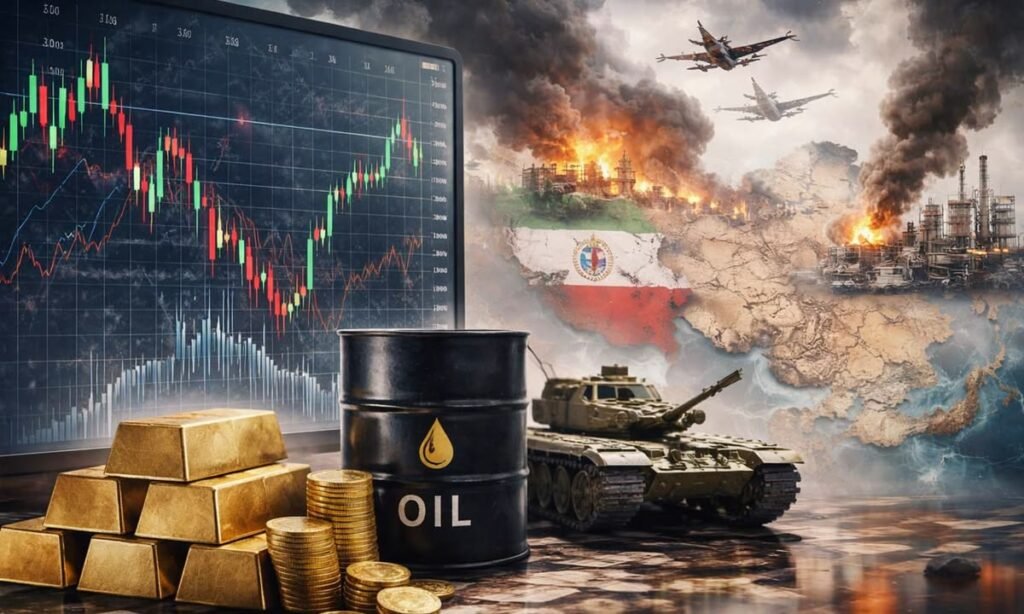
Influence on Gulf Security
Iran’s military strength affects security planning throughout the Gulf region. Therefore, neighboring countries closely monitor military developments.
Energy Route Protection
Oil shipping routes remain highly important for the global economy. Consequently, military tensions near the Gulf can influence energy prices worldwide.
Strategic Balance
Iran’s military growth also affects regional alliances and defense cooperation among neighboring states.
Role of Proxy Groups in Regional Politics
Strategic Partnerships
Iran maintains relationships with several regional groups and organizations.
Iran argues these partnerships support resistance against foreign influence and regional instability.
International Criticism
However, Western governments and some regional countries criticize Iran’s involvement with armed groups.
Therefore, proxy conflicts remain a major issue in Middle East politics.
Iran Military Training and Readiness
Large-Scale Exercises
Iran regularly conducts military exercises to improve operational readiness and demonstrate defense capabilities.
Joint Operations
Military drills often involve coordination between naval, missile, and air defense units.
Psychological Deterrence
Military exercises also send political messages to rivals and international observers.
Religious Influence on Defense Policy
Islamic Revolutionary Ideology
Iran’s military philosophy includes religious and ideological elements connected to the Islamic Revolution.
Defense and National Sovereignty
Iranian leaders frequently emphasize independence, resistance, and protection of national sovereignty.
Islamic Perspective on Defense
Islam permits self-defense and protection of national security. However, Islamic teachings also strongly encourage justice, restraint, and protection of innocent civilians.
Media Coverage and Global Attention
International Media Focus
Global media organizations closely report on military developments connected to Iran because of regional security concerns.
Information Warfare
Modern conflicts increasingly involve media influence, online narratives, and political messaging.
Consequently, information management became part of strategic competition.
Challenges Facing Iran’s Military Development
Economic Sanctions
Sanctions limited access to advanced foreign military technology and financial systems.
Technological Competition
Iran must compete with countries that possess larger defense budgets and advanced international partnerships.
Regional Pressure
Ongoing regional tensions create continuous military and political pressure.
Future of Iran’s Military Strategy
Focus on Advanced Technology
Iran will likely continue investing in:
- Drone technology
- Missile systems
- Cyber defense
- Naval modernization
- Air defense systems
Regional Diplomacy
Alongside military development, diplomatic engagement may remain important for reducing regional instability.
Strategic Self-Reliance
Iran’s long-term strategy strongly emphasizes military independence and domestic production capability.
Impact on Ordinary Citizens
Economic Effects
Military tensions and sanctions can increase inflation and economic hardship for ordinary people.
National Security Concerns
At the same time, many citizens support strong defense systems for national protection.
Social Stability
Regional conflicts often affect public confidence, economic growth, and international investment opportunities.
Importance of Regional Stability
Economic Cooperation
Stable regional relations could improve trade, transportation, and economic growth across the Middle East.
Reduced Military Escalation
Diplomatic solutions may help lower tensions and reduce the risk of broader conflict.
Global Energy Security
Because the Middle East supplies major energy resources, regional peace remains important for global markets.
Iran’s Military Power and Global Politics
Iran’s military development influences global security discussions because the country plays a central role in Middle Eastern politics. Therefore, world powers continue monitoring defense activities closely.
Multipolar International Relations
Iran strengthened partnerships with countries such as Russia and China. Consequently, new geopolitical alliances continue shaping regional power balances.
Influence on Defense Policies
Neighboring countries often adjust military strategies based on Iran’s defense developments.
Conclusion
Iran News continues attracting international attention because Iran remains one of the most influential military powers in the Middle East. Its missile systems, naval capabilities, drone technology, and regional alliances give the country major strategic importance.
At the same time, Iran’s military growth affects regional security, energy routes, international diplomacy, and global political discussions. Therefore, governments, analysts, and media organizations closely monitor developments connected to Iran’s defense strategy.