
Key Iran News on the USA and Iran Political Conflict
The political conflict between the United States and Iran remains one of the most important global issues in modern international relations. For decades, both countries have experienced diplomatic tension, economic disputes, military concerns, and regional competition. As a result, Iran News continues to receive worldwide attention because the political decisions of both countries influence Middle East stability, energy markets, and global diplomacy.
Historical Background of USA and Iran Relations
The political relationship between Iran and the United States was not always hostile. In fact, both countries once maintained strong diplomatic and economic cooperation.
However, major political changes transformed this relationship over time.
The Period Before the 1979 Revolution
Before 1979, Iran was ruled by Shah Mohammad Reza Pahlavi. During that period, the United States supported Iran politically, economically, and militarily.
At the same time, Iran maintained close cooperation with Western countries.
However, many Iranian citizens criticized the Shah’s government because they believed it depended too heavily on foreign influence.
The Islamic Revolution and Political Change
In 1979, the Islamic Revolution changed Iran’s political system completely.
Ayatollah Ruhollah Khomeini became the leader of the newly established Islamic Republic of Iran.
After the revolution:
- Relations with the United States rapidly worsened
- Anti-American political slogans increased
- Diplomatic cooperation collapsed
- Regional politics changed dramatically
Consequently, the revolution became a turning point in Middle East politics.
The US Embassy Hostage Crisis
One of the most important moments in the conflict occurred when Iranian students seized the US embassy in Tehran.
American diplomats were held hostage for many months.
As a result:
- Diplomatic relations officially ended
- Political trust disappeared
- Economic sanctions increased
- International tension grew rapidly
This crisis still influences political relations today.
Iran News: Why Iran Holds Strategic Importance
Iran remains one of the most influential countries in the Middle East.
Therefore, every major development connected to Iran receives strong international attention.
Geographic Position
Iran News, controls an important geographic area near the Persian Gulf and the Strait of Hormuz.
This region handles a major percentage of global oil transportation.
Because of this strategic position:
- Energy markets depend on regional stability
- International shipping routes remain sensitive
- Global powers closely monitor Iran
As a result, political tension involving Iran can affect the global economy.
Military and Regional Influence
Iran News, has developed advanced military and defense capabilities over many years.
These include:
- Missile systems
- Drone technology
- Naval defense forces
- Cyber capabilities
- Regional partnerships
Therefore, Iran continues playing a major role in Middle East security.
Economic Sanctions and Political Pressure
Economic sanctions remain one of the biggest issues in the USA-Iran political conflict.
Why Sanctions Were Imposed
The United States imposed sanctions on Iran for several reasons, including:
- Nuclear concerns
- Regional military activity
- Political disagreements
- Security concerns
Over time, sanctions expanded into multiple economic sectors.
Iran News: Major Areas Targeted by Sanctions
Sanctions affected:
- Oil exports
- Banking systems
- International trade
- Technology access
- Foreign investment
Consequently, Iran’s economy experienced significant pressure.
Impact on Iranian Citizens
Although sanctions target government institutions, ordinary citizens often experience the strongest economic difficulties.
Many people face:
- Inflation
- Currency decline
- High living costs
- Employment challenges
- Reduced purchasing power
Nevertheless, Iran continues investing in local industries and economic self-reliance.
The Iranian Nuclear Program and International Concerns
The nuclear issue remains one of the most discussed topics in Modern Iran News.
Iran repeatedly states that its nuclear activities focus on peaceful energy and scientific development.
However, several Western countries and regional powers continue expressing concern.
The 2015 Nuclear Agreement
In 2015, Iran signed the Joint Comprehensive Plan of Action (JCPOA) with world powers.
Under the agreement:
- Iran reduced parts of its nuclear activities
- International inspectors gained access
- Some sanctions were removed
Many global leaders described the agreement as an important diplomatic success.
US Withdrawal From the Agreement
Later, the United States withdrew from the agreement.
Consequently:
- Sanctions returned
- Diplomatic trust weakened
- Regional tension increased
- Nuclear negotiations became more difficult
Since then, international diplomacy has faced major challenges.
Current Nuclear Negotiations
Several countries continue attempting to restart negotiations.
Diplomatic discussions mainly focus on:
- Nuclear monitoring
- Sanctions relief
- Regional security
- Long-term agreements
Although progress remains difficult, diplomacy continues.
Military Tension Between the USA and Iran
Military tension between the two countries has increased several times in recent years.
Naval Tension in the Persian Gulf
The Persian Gulf remains one of the world’s most sensitive strategic areas.
Several incidents involving naval patrols, military vessels, and commercial ships have increased international concern.
Because global energy transportation depends on this region, maritime security remains extremely important.
Drone and Missile Concerns
Modern military strategy increasingly depends on drones and missile systems.
Iran has invested heavily in missile and drone technology.
Meanwhile, the United States continues strengthening regional defense cooperation.
As a result, military analysts frequently discuss possible escalation risks.
US Military Bases in the Middle East
The United States maintains military bases across the Middle East.
American officials state that these bases help:
- Protect allies
- Maintain regional security
- Prevent conflict expansion
- Support counterterrorism efforts
However, Iranian leaders often criticize foreign military presence near Iranian territory.
Regional Politics and Iran’s Influence
Iran maintains influence across several Middle Eastern countries.
Iran and Iraq
Iran shares strong religious, political, and economic ties with Iraq.
After major political changes in Iraq, Iran expanded regional cooperation significantly.
Millions of religious pilgrims also travel between both countries every year.
Iran and Syria
Iran strongly supports the Syrian government.
During the Syrian conflict, Iran provided:
- Strategic cooperation
- Financial support
- Military advisors
Because of this involvement, Iran became deeply connected to Syrian regional politics.
Iran and Lebanon
Iran maintains close relations with Hezbollah in Lebanon.
This relationship remains highly controversial in international politics.
Some countries describe Hezbollah as a resistance movement, while others classify it as a security threat.
Therefore, this issue remains central to Middle East diplomacy.
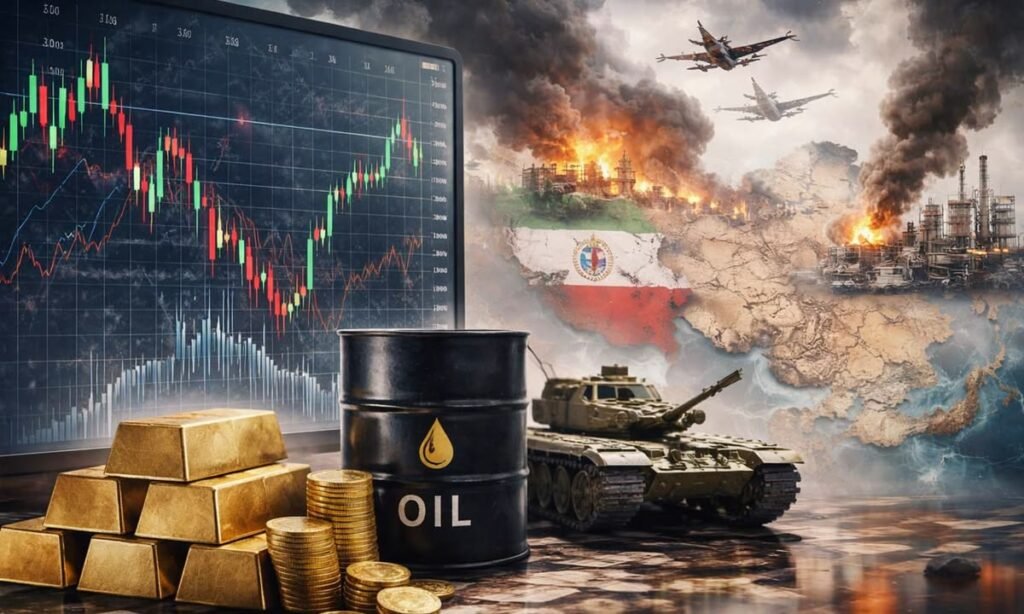
How the Conflict Affects Global Oil Markets
Political tension involving Iran often affects global energy prices.
Importance of the Strait of Hormuz
A major percentage of the world’s oil supply passes through the Strait of Hormuz.
Therefore, any military tension near this area can quickly affect:
- Oil prices
- Shipping insurance costs
- International trade
- Energy security
As a result, investors carefully monitor every important regional development.
Global Economic Reactions
When political uncertainty increases:
- Markets often become unstable
- Investor confidence weakens
- Fuel prices rise
- Transportation costs increase
Consequently, political conflict in the Middle East can influence economies worldwide.
Diplomatic Efforts to Reduce Tension
Despite ongoing disagreements, several countries continue encouraging diplomacy.
Role of European Countries
European governments often support:
- Nuclear negotiations
- Diplomatic dialogue
- Economic cooperation
- Conflict reduction
Because Europe values regional stability, diplomatic engagement remains important.
China’s Position
China continues expanding trade and energy partnerships across the Middle East.
Therefore, China supports peaceful regional conditions that protect international trade routes.
Russia’s Regional Strategy
Russia maintains communication with both Iran and regional powers.
Russia also plays an important role in Syria and broader Middle East politics.
Consequently, Russia remains deeply involved in regional diplomacy.
Conclusion
The political conflict between the United States and Iran continues to shape global diplomacy, Middle East security, energy markets, and international relations.
Because of Iran’s strategic importance and regional influence, Iran News remains one of the most discussed topics in global politics.
Economic sanctions, military tension, nuclear negotiations, and regional alliances all contribute to the complexity of the conflict.